
When unexpected delays happen on the system, a rider's commute instantly shifts into an information hunt. In my work focused on rider communications, I've seen how quickly uncertainty can arise when a service disruption occurs.
When communication strategies are clear and coordinated, riders feel supported, station crowding is reduced, and passengers can make informed decisions.
Understanding the Rider's Journey During a Disruption
A rider can enter this disruption experience at any point along their journey—whether they are sitting at home checking an app before leaving, walking up to a station entrance, waiting on a crowded platform, or already stalled mid-ride on a train.
Because a disruption can catch a passenger anywhere along their journey, communication channels cannot operate in silos. Every touchpoint needs to work together to support the rider’s immediate context. The breakdown below looks at how information is experienced across these key moments, drawing on my work at the MBTA and focusing on subway and light rail.
For public transit agencies, a touchpoint map shows every place a rider interacts with your agencies information, from checking a real-time app at home to tapping a fare gate, reading a platform delay sign, or filing a complaint. Through a communications lens, these maps are invaluable because they help you:
- Spot Context Gaps: Ensure the right information reaches the rider across the exact right channel at the exact moment panic or uncertainty strikes.
- Bridge Operational & Digital Silos: Align what operations does (e.g., train routing) with what comms says (e.g., station announcements and app alerts) so riders aren't getting conflicting messages.
- Prioritize High-Stress Moments: Identify where riders experience peak anxiety—like standing on a crowded platform with no live countdown clock—and focus your messaging efforts where it matters most.
- Transform Pain Points into Service Recovery: Pinpoint exactly when and how to proactively communicate to maintain trust before a frustrated rider has to resort to filing a complaint.
Before Arriving at the Station
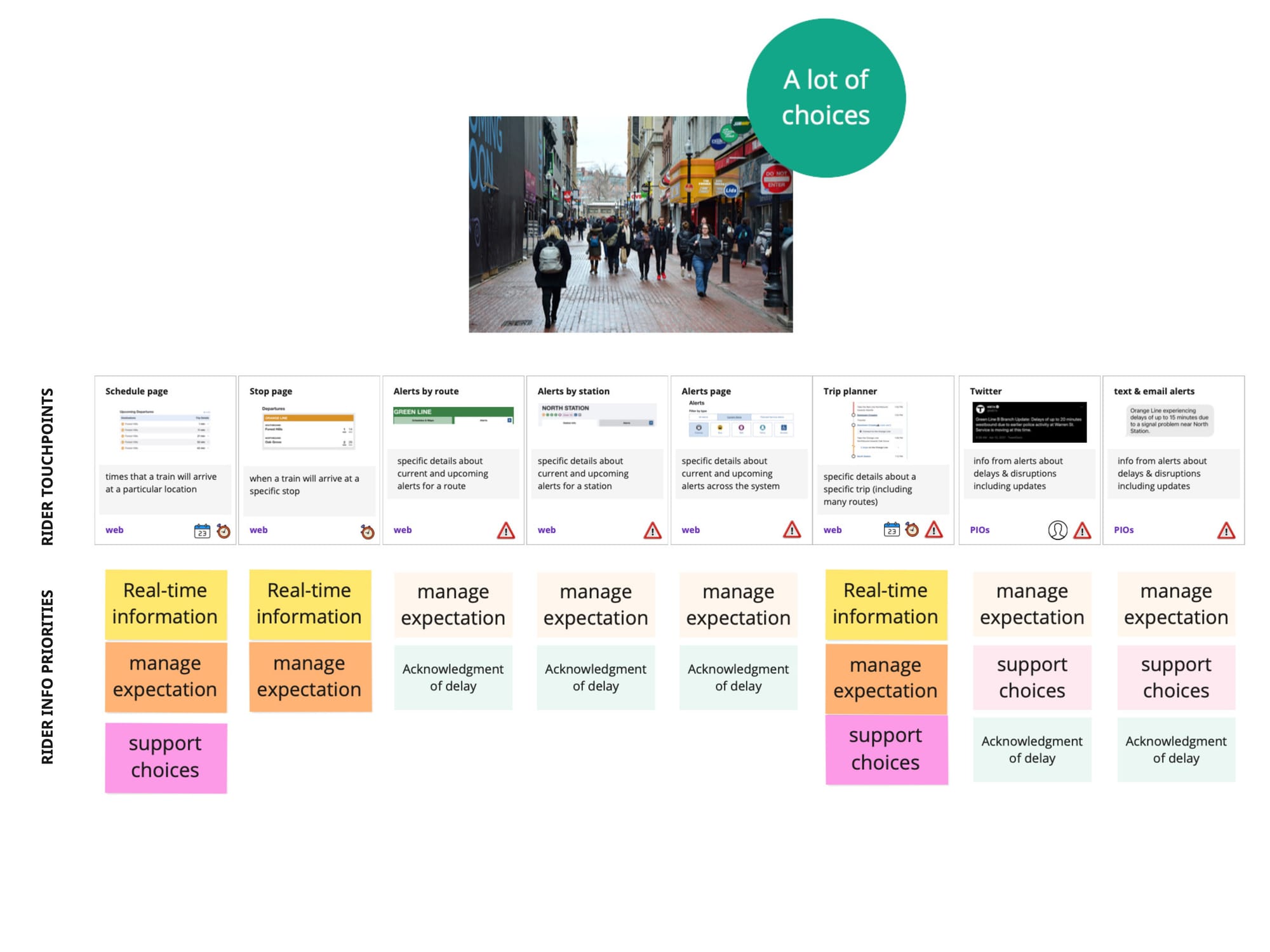
The passenger experience begins long before stepping onto a platform. During this initial window, proactive alerts and app notifications help commuters adjust their travel plans or choose alternative routes before they leave.
Outside the Station
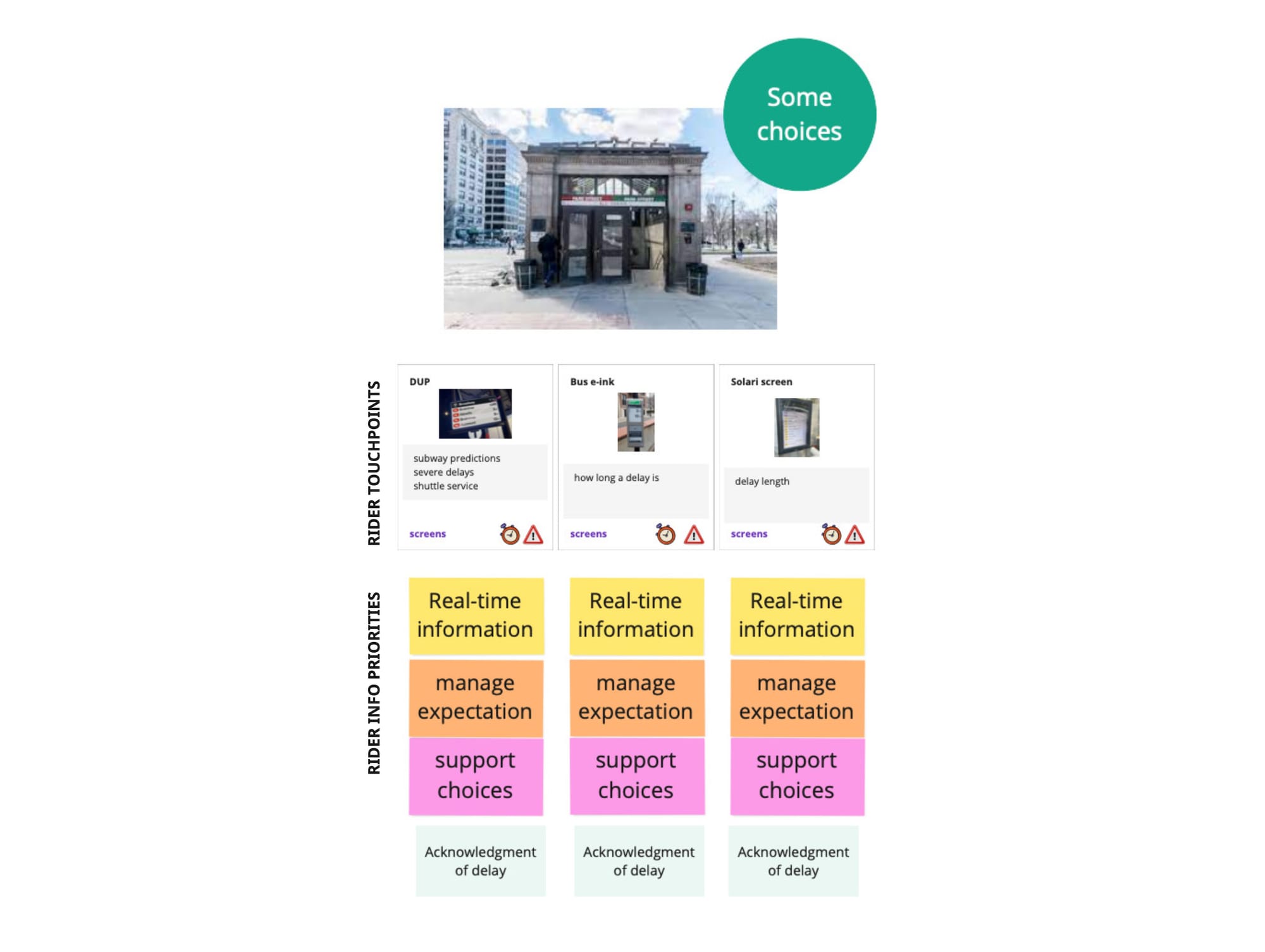
At the street level, physical signage and entryway displays set expectations before passengers pass through the turnstiles. Clear messaging here prevents unnecessary tapping to enter or crowding on platforms by warning riders of delays beforehand.
At the Station
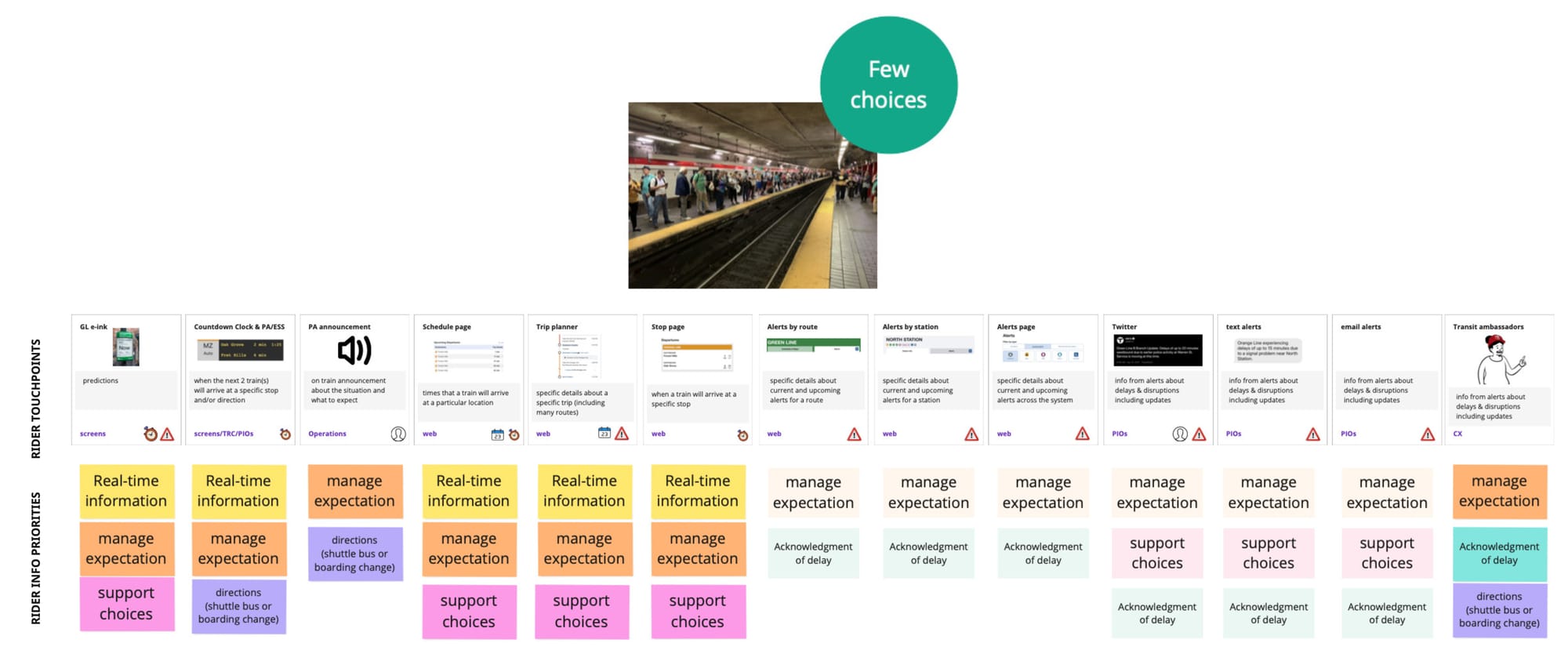
This is one of the highest-friction points in any transit journey. When platform countdown clocks, audio announcements, and digital screens provide conflicting information, either with each other or with what’s actually happening, rider trust drops. A unified approach across all station touchpoints is essential to eliminate conflicting information.
On the Train
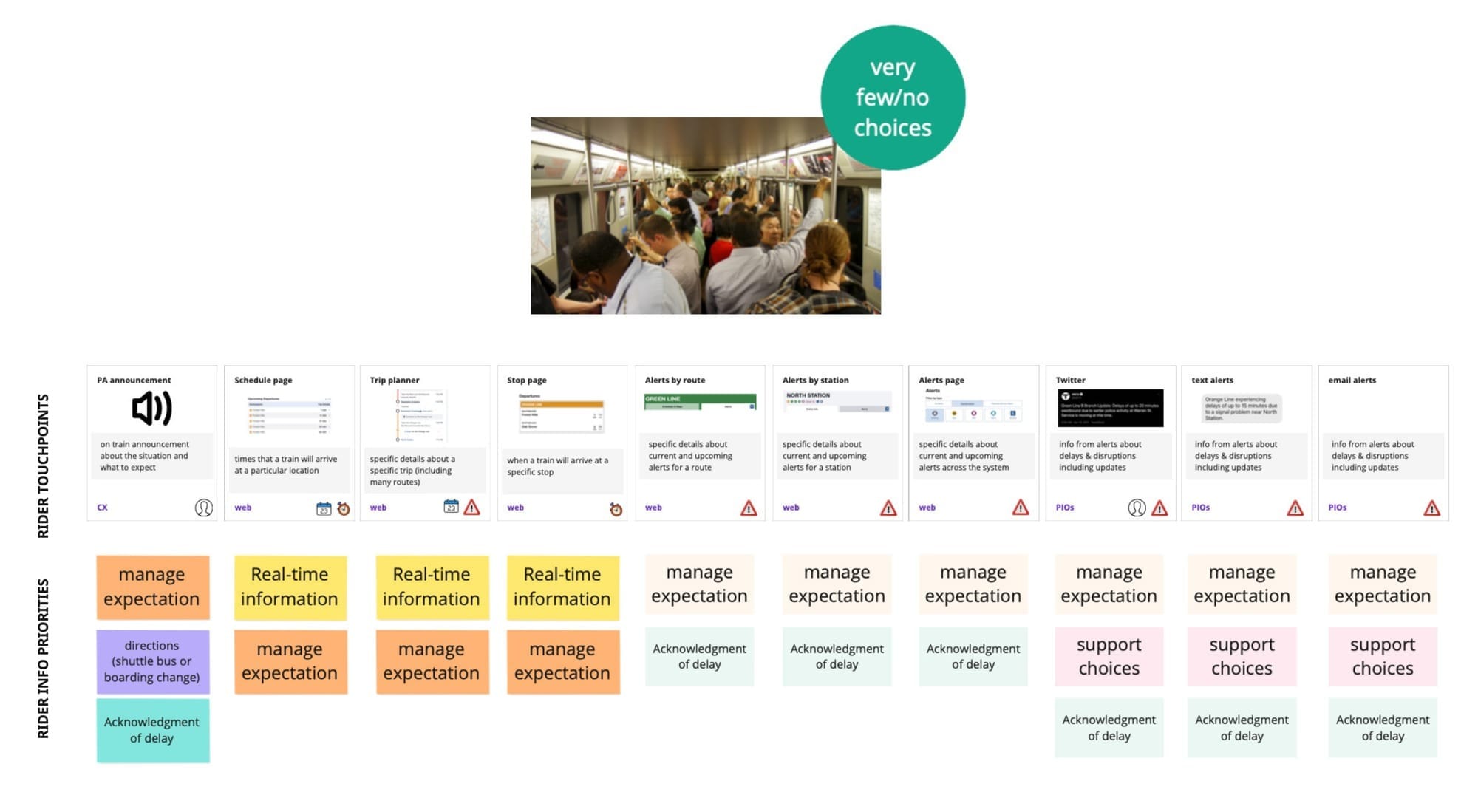
When a train is held or delayed mid-trip, passengers benefit from timely updates and clear guidance regarding downstream transfer options, estimated timelines, and what is causing the issue.
Centering Rider Needs During Disruptions
Across every moment of the journey, effective communication strategies center on three key rider priorities:
- Real-Time Information: Delivering accurate and transparent updates about timing.
- Expectation Management: Providing clear information about what is happening, so passengers aren't left guessing.
- Choice Support: Offering actionable alternatives so riders maintain agency over their travel.
Let’s Build Resilient Communications Together
Designing effective passenger communications is about building a reliable, supportive lifeline when your riders need it most.
Are you looking to audit your agency's communication channels, eliminate conflicting touchpoints, or build an end-to-end strategy for unexpected delays? Let's connect to discuss how we can make your passenger communications work better for your riders.